
Automated license plate readers, commonly known as ALPRs, are rapidly changing the way law enforcement agencies collect data. Companies such as Flock Safety have helped states and municipalities deploy cameras that capture license plate numbers and other vehicle characteristics, allowing law enforcement to search for vehicles connected to criminal investigations.
Supporters of license plate readers argue that these systems are valuable tools for modern policing, but critics warn that the technology creates an unprecedented ability to track ordinary people’s movements without their knowledge.
The debate around license plate readers is no longer simply about whether this technology works. The question now is whether we should allow the government to collect and retain information about residents who may have done nothing wrong.
If this policy area impacts your organization, business, or industry, please contact our Government Relations Team through our Contact Page.
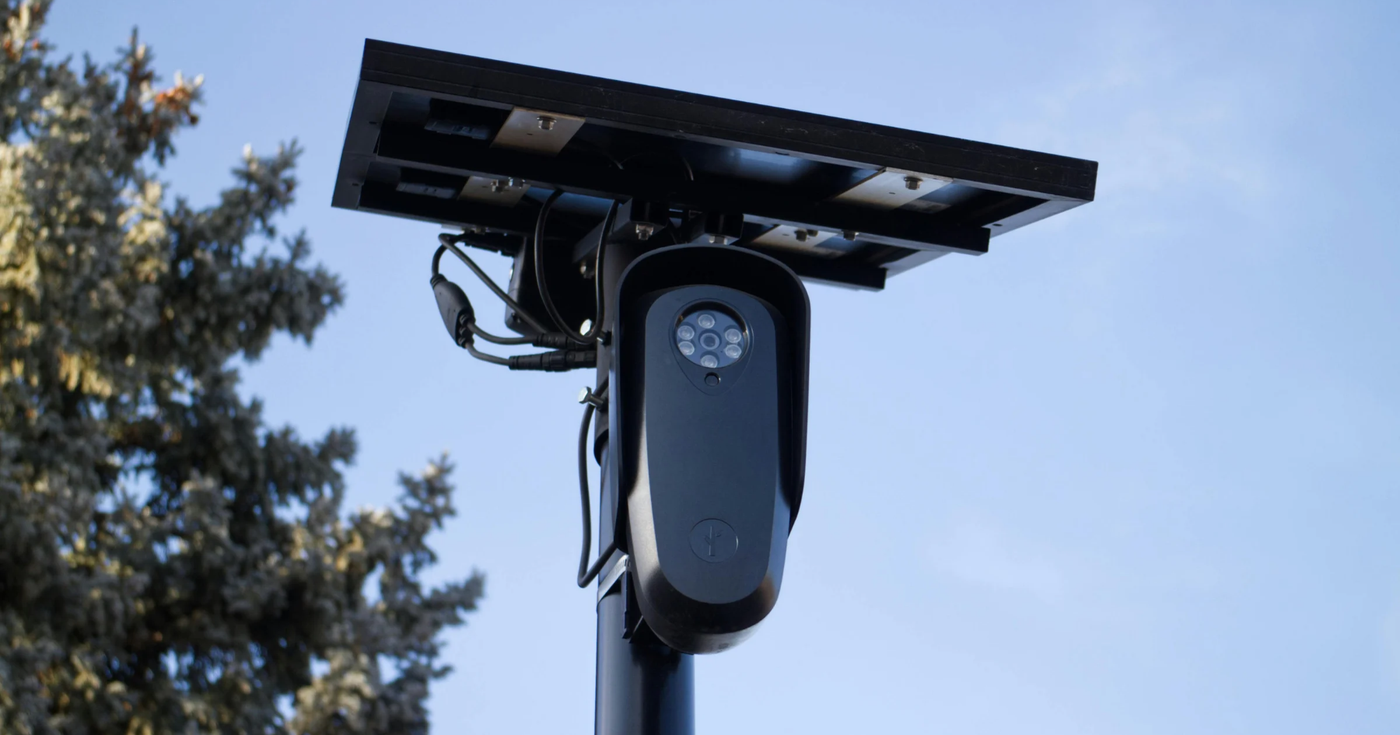
Law Enforcement’s Case for License Plate Readers
Law enforcement agencies have many valid reasons to advocate for automated license plate readers. They have defended the technology as an important investigative tool, particularly when departments face limited staffing and increasing demands on their officers. In Connecticut, law enforcement agencies have highlighted cases in which these systems have helped make communities safer by tracking suspects and supporting criminal investigations.
Privacy Issues
Critics of license plate readers argue that these cameras do not necessarily wait for a crime to occur. Cameras can capture information about passing vehicles, including those belonging to people whom authorities do not suspect of any wrongdoing.
Critics argue that agencies can connect several cameras through searchable databases to compile individual observations. Together, these observations can create a detailed record of a person’s movements. Over time, that information could reveal where someone works, which medical facilities they visit, and where they worship. It could also reveal which political events they attend.
Critics also contend that advancing technology expands agencies’ ability to collect and analyze information. Those capabilities grow faster than the public’s ability to understand how agencies use that information.
Connecticut’s Debate
Connecticut has become a prominent example of the public safety and privacy debate.
On August 7, 2026, Governor Ned Lamont called for a review of surveillance technology. He urged municipalities to pause installing new equipment while officials reviewed privacy policies.
The governor emphasized the need for clear rules governing what data agencies collect and who can access it. He also stressed that these rules must specify how agencies can use the data.
The Connecticut General Assembly also enacted legislation, which took effect on October 1, 2026, establishing new restrictions on ALPR systems. The legislation included a general 21-day data-retention limit and restrictions on certain uses of the technology. It also established requirements governing agency contracts with private vendors.
For a government relations firm, this debate illustrates how state legislation and local purchasing decisions can shape emerging technology’s use. Legislative lobbying gives stakeholders an opportunity to inform lawmakers about public safety needs and privacy concerns. It also allows stakeholders to explain the practical effects of proposed restrictions..
Although these tougher laws and policies have been put in place, policymakers continue to confront questions about how surveillance data is obtained, who can search and view it, and whether existing safeguards are adequate. New restrictions and safeguards would not eliminate every privacy concern. They would, however, help establish boundaries between legitimate investigations and unnecessary surveillance.
The debate also extends to municipal lobbying and municipal contract procurement, as communities consider whether to purchase these systems and what protections vendor agreements should include. These local decisions help determine how statewide requirements translate into everyday practices.
What Is the Right Balance?
There is a middle ground to be found between proponents of license plate readers and critics. Connecticut’s new restrictions are an important step, but laws and written policies must be accompanied by effective oversight.
For organizations working with a lobbying firm, meaningful participation in this debate requires understanding both the technology’s investigative value and the public’s expectations for privacy and accountability.
The challenge is to ensure that surveillance remains an effective tool for law enforcement rather than becoming a system for monitoring residents’ everyday lives.
Connecticut’s debate shows why residents need to ask difficult questions before their community installs surveillance technology. Residents should not have to choose between effective policing and protecting their privacy. They should expect both.
If you want to learn more about this or other issues impacting your business or organization, please reach out through our Contact Page.
To learn more about the services offered by Levin, Paolino & Christ, click here.
Written by Scott DeVico
Edited and Published by Dan Baribault