
Connecticut has taken a significant step forward in shaping the future of solar development. Through new legislation, policies that extend, modify, and expand several key solar and clean energy programs now exist. These changes reflect both the state’s commitment to sustainability and the ongoing challenges of balancing renewable energy development, community concerns, and environmental priorities across Connecticut.
If this policy area impacts your organization, business, or industry, please contact our Government Relations Team through our Contact Page.
Connecticut Solar Development Programs Extended Through 2035
At the center of this legislative update is the extension of Connecticut’s three primary renewable energy programs: Residential Renewable Energy Solutions (RRES), Non-Residential Energy Solutions (NRES), and Shared Clean Energy Facilities (SCEF). Originally set to expire, these programs have now been extended through 2027-2028. More importantly, the law establishes a framework for successor programs that will support Connecticut solar development through 2035. This is pending approval by the Public Utilities Regulatory Authority (PURA).
The successor programs will continue to support residential, non-residential, and community solar initiatives, with a targeted capacity of 180 megawatts per year. Over a 20-year period, the programs are expected to involve approximately $85 million in investment. That investment includes integration with the Energy Storage Solutions (ESS) program. The long-term commitment signals the state’s intention to maintain steady growth in Connecticut solar development, renewable energy adoption, and grid reliability through energy storage.
Connecticut Solar Development Faces New Siting Restrictions
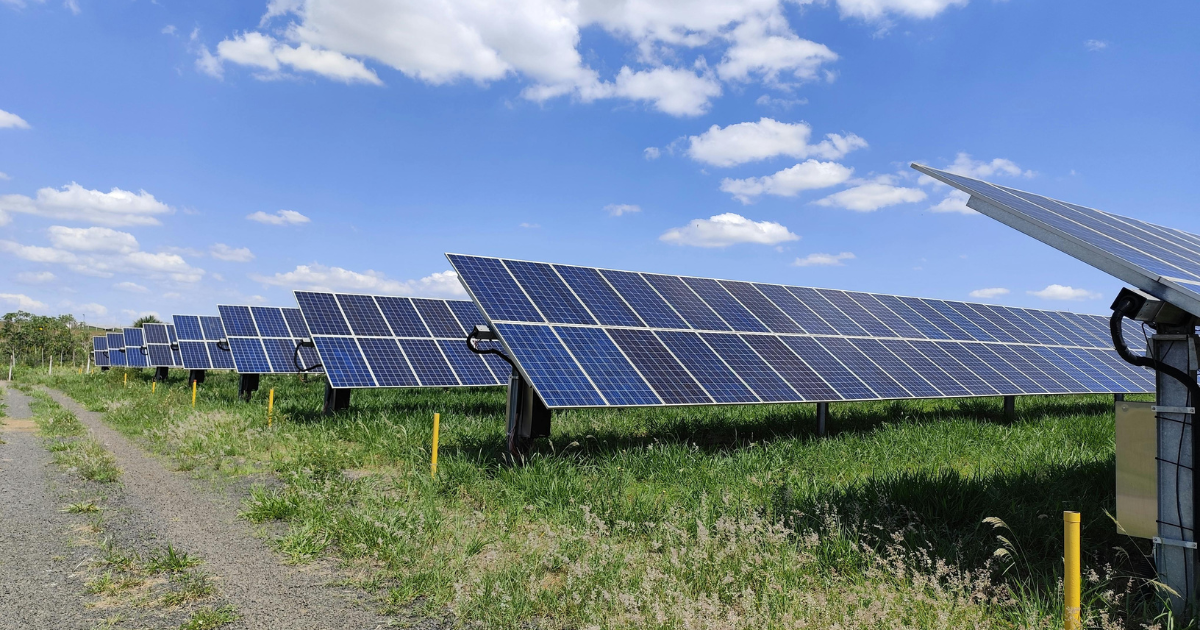
However, not all aspects of the legislation have been universally welcomed. A notable provision introduces a one-year moratorium on Connecticut Siting Council approvals for new solar facilities in two municipalities that already have high concentrations of commercial solar arrays. This decision comes in response to local concerns about overdevelopment, visual impact, and changes to community character.
The moratorium has sparked debate among stakeholders involved in Connecticut solar development. Environmental advocates and members of the renewable energy industry worry that such restrictions could slow progress toward statewide climate goals. The lobbyists of these organizations argue that limiting solar development in certain areas may create bottlenecks and hinder the transition to clean energy. Alternatively, local residents and officials emphasize the need to address quality-of-life issues. These include the aesthetic impact of large-scale solar installations and the preservation of open space.
Supporters of the moratorium frame it as a temporary and necessary measure to find balance. They highlight the importance of protecting agricultural land, which is a finite and valuable resource in Connecticut. By pausing new approvals in heavily impacted areas, policymakers hope to create space for more thoughtful planning and equitable distribution of solar infrastructure across the state.
Introduction of “Balcony Solar”
In addition to addressing large-scale solar development, the legislation also introduces measures which expand access to renewable energy for consumers. One of the most notable changes is the legalization of what many are calling “balcony solar.” This provision allows homeowners and apartment dwellers to install portable solar generation devices without going through the traditional interconnection process.
Under the new rules, each customer meter is limited to one such device, ensuring that systems remain small-scale and manageable. The law also includes updates to state building and fire codes, and creation of a regulatory framework through the Department of Consumer Protection. This framework governs the sale, financing, and installation of these systems, providing consumer safeguards while encouraging adoption.
Advocates view balcony solar as a meaningful step toward democratizing access to Connecticut solar development. By lowering barriers to entry, the state is enabling more residents to benefit from solar power. This specifically includes those who may not own property or cannot install rooftop systems. This approach aligns with broader goals of equity, affordability, and clean energy expansion in Connecticut.
Smart Solar Platform Will Streamline Connecticut Solar Development
Another forward-looking component of the legislation is the development of a “Smart Solar Platform.” This initiative aims to streamline the permitting process for residential solar and energy storage systems. The platform, to be selected by the Department of Administrative Services, will be made available to municipalities beginning in 2028.
Currently, permitting processes can vary significantly between municipalities, leading to delays, inconsistencies, and added costs for installers and homeowners. By standardizing and digitizing the process, the Smart Solar Platform is expected to improve efficiency, reduce administrative burdens, and create a more predictable environment for Connecticut solar development. Supporters believe this will further accelerate renewable energy adoption by making installations faster and more accessible.
Consumer Transparency and Oversight
The legislation also addresses consumer transparency and oversight. The Office of Consumer Counsel will study the public benefits charges that appear on customer utility bills. As part of this review, the office will examine how these charges are presented and whether consumers clearly understand them. The office will report its findings to the Energy and Technology Committee.
This effort reflects growing attention to the cost side of the energy transition. While renewable energy programs provide long-term benefits, they are often funded through charges on utility bills. Ensuring that these costs are transparent and justified is essential for maintaining public trust and support for continued Connecticut solar development.
New Safety Requirements for Connecticut Solar Development Projects
Finally, the law introduces new requirements for electric generation and energy storage facilities, including solar installations. Facilities that receive certification from the Connecticut Siting Council must now post and share emergency contact information. In addition, the Siting Council has the authority to require facility operators to provide education and training to local emergency responders.
These provisions address concerns raised by host communities, particularly those related to safety and emergency preparedness. By improving communication and equipping first responders with the necessary knowledge, the state seeks to better integrate renewable energy facilities into local communities.
Taken together, these legislative changes represent a comprehensive approach to advancing Connecticut solar development and renewable energy policy. The extension and expansion of core programs provide long-term stability for the industry, while new initiatives like balcony solar and the Smart Solar Platform increase accessibility and efficiency. At the same time, measures such as the siting moratorium and enhanced oversight reflect an effort to address community concerns and ensure responsible development.
As Connecticut continues its transition toward a cleaner energy future, the success of these policies will depend on careful implementation and ongoing collaboration among policymakers, industry stakeholders, and local communities. Balancing growth with equity, innovation with oversight, and statewide goals with local priorities will remain a central challenge, but also an opportunity to build a more sustainable and inclusive energy system while supporting long-term Connecticut solar development.
If you want to learn more about this or other issues impacting your business or organization, please reach out through our Contact Page.
To learn more about the services offered by Levin, Paolino & Christ, click here.
Written by Armando Paolino
Edited and Published by Dan Baribault