
Economic development is rarely the result of a single project or a single administration. In Connecticut, transformative redevelopment often unfolds over decades, requiring sustained collaboration among government officials, businesses, community leaders, developers, and residents. While financing, planning, and engineering are critical components of any major project, successful redevelopment also depends on strategic lobbying and government relations to navigate regulatory processes, secure public investment, and maintain momentum through changing political landscapes.
For organizations investing in Connecticut, understanding how lobbying supports economic development can make the difference between a project that stalls and one that becomes a lasting success.
If this policy area impacts your organization, business, or industry, please contact our Government Relations Team through our Contact Page.
Economic Development Requires More Than Capital
Older cities throughout the Northeast present unique economic development challenges. Aging infrastructure, fragmented property ownership, environmental regulations, transportation planning, and changing market conditions all create obstacles that cannot be solved by private investment alone.
Connecticut communities frequently require coordinated action between municipal governments, state agencies, federal partners, private developers, utilities, transportation authorities, and local stakeholders. Bringing these interests together requires years of advocacy, negotiation, and policy coordination.
This is where experienced Connecticut lobbying professionals provide value. Effective government relations help ensure that projects continue moving forward despite changes in political leadership, funding priorities, or regulatory requirements.
New London’s Redevelopment Demonstrates the Value of Long-Term Advocacy
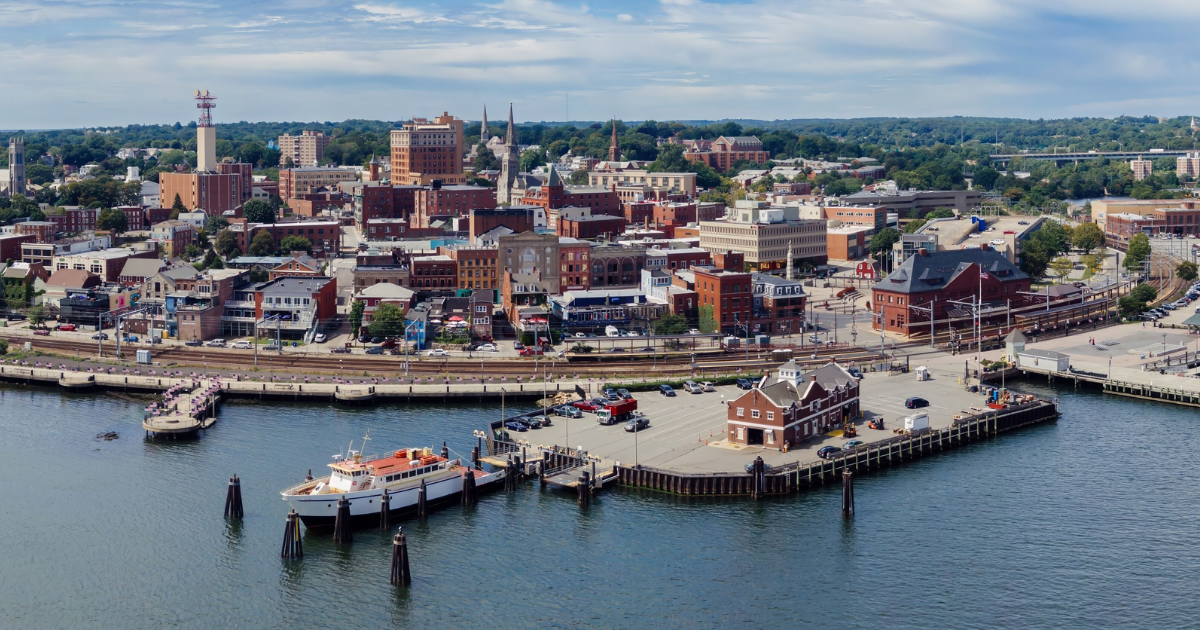
Few Connecticut communities better illustrate the importance of sustained economic development efforts than New London.
Beginning in the early 1980s, city leaders established an Economic Development Advisory Group to create a comprehensive vision for revitalizing the city’s historic waterfront. The initiative required coordination among municipal boards, planning officials, redevelopment agencies, business leaders, and state government.
As redevelopment progressed, additional organizations were brought into the process, including the New London Development Corporation, which became instrumental in implementing many aspects of the long-term redevelopment strategy.
The vision extended well beyond a single waterfront project. Simultaneous investments occurred throughout the city, including the continued development of Shaw’s Cove as a regional business center, improvements surrounding Fort Trumbull, and the expansion of transportation and maritime infrastructure that continue supporting economic activity today.
Connecticut Lobbying Helps Navigate Complex Regulatory Challenges
Major economic development projects often encounter unexpected regulatory and legal barriers.
In New London, early redevelopment proposals faced significant environmental permitting challenges, coastal development restrictions, complicated waterfront ownership issues, railroad property interests, transportation infrastructure concerns, and extensive land-use negotiations.
Resolving these issues required years of collaboration with the Connecticut Department of Economic and Community Development (DECD), environmental agencies, transportation officials, ferry operators, Amtrak, local governments, and private property owners.
These examples demonstrate that successful Connecticut economic development depends on more than securing financing. Projects frequently require experienced advocacy to coordinate agencies, negotiate competing interests, resolve regulatory issues, and keep development moving toward completion.
Public and Private Partnerships Drive Connecticut’s Economy
Economic development succeeds when government and private industry work together.
The redevelopment of New London included partnerships involving municipal government, the State of Connecticut, private developers, General Dynamics Electric Boat, Pfizer, transportation providers, healthcare organizations, and numerous local businesses.
While some projects experienced political controversy and legal challenges, continued collaboration ultimately helped position New London as one of Connecticut’s most important centers for defense manufacturing, offshore wind infrastructure, higher-end residential development, healthcare, and maritime commerce.
These investments did not happen overnight. They were the result of decades of strategic planning, persistent advocacy, and ongoing government engagement.
Patience Is Often the Greatest Asset in Economic Development
One of the most important lessons from New London’s experience is that successful economic development rarely follows a straight path.
Projects may pause because of permitting delays, court decisions, financing challenges, political transitions, or changing economic conditions. Communities that remain committed to a long-term vision are often the ones that ultimately realize transformational growth.
Recent investments connecting Shaw’s Cove, Fort Trumbull, downtown New London, the State Pier, and new mixed-use residential development demonstrate how decades of planning can eventually produce meaningful economic results.
How Government Relations Supports Connecticut Economic Development
Whether a project involves commercial development, manufacturing expansion, housing, transportation infrastructure, clean energy, healthcare, or waterfront redevelopment, government relations professionals help organizations:
- Navigate state and municipal permitting processes
- Build relationships with elected officials and public agencies
- Monitor legislation affecting development projects
- Coordinate with regulatory agencies
- Identify public funding and incentive opportunities
- Support municipal approvals and community engagement
- Develop long-term legislative and regulatory strategies
Effective Connecticut lobbying is not simply about influencing legislation. It is about helping projects successfully move through complex governmental processes while building the partnerships necessary for long-term success.
Looking Ahead
Connecticut continues to prioritize economic development through investments in housing, advanced manufacturing, clean energy, transportation, defense, biotechnology, and downtown revitalization. As communities pursue these opportunities, the ability to work effectively with government at every level will remain an essential component of successful development.
The story of New London’s redevelopment demonstrates that transformative projects require persistence, collaboration, and strategic advocacy over many years. Businesses and developers that understand the value of experienced government relations are better positioned to navigate challenges, secure opportunities, and contribute to Connecticut’s continued economic growth.
If you want to learn more about this or other issues impacting your business or organization, please reach out through our Contact Page.
To learn more about the services offered by Levin, Paolino & Christ, click here.
Written by Jay Levin
Edited and Published by Dan Baribault