
Transportation policy in the Connecticut lobbying world has traditionally focused on highways, bridges, rail infrastructure, and airports. While these investments remain essential, they often overshadow another critical component of the state’s transportation network: Long Island Sound.
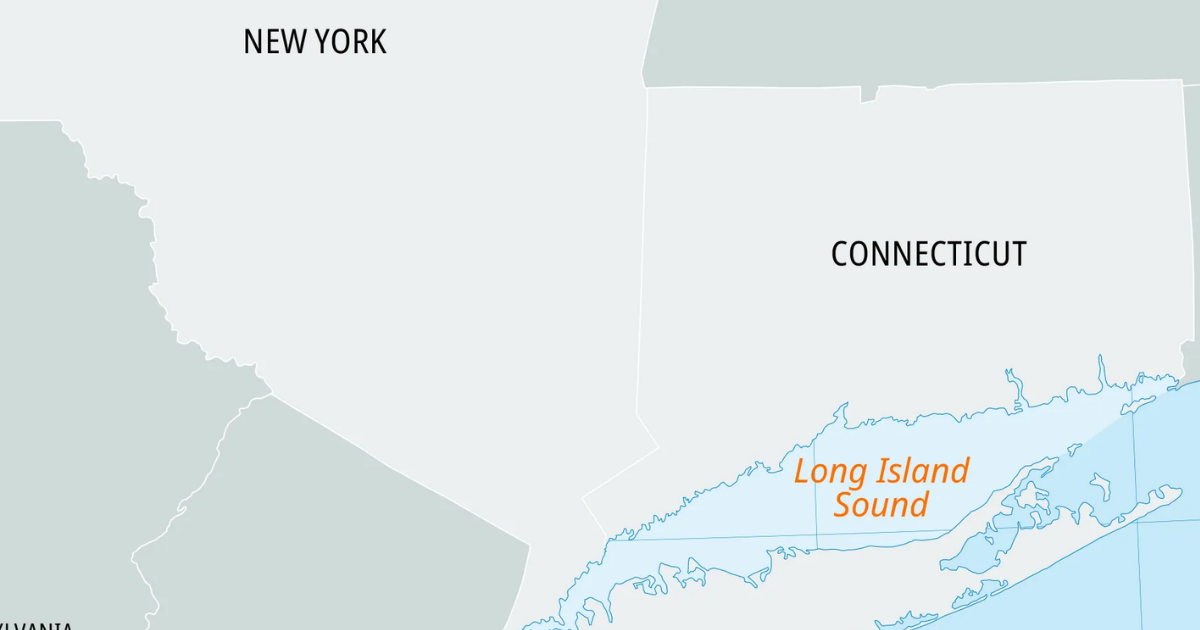
Far more than a geographic boundary, Long Island Sound serves as a vital transportation corridor supporting interstate commerce, passenger transportation, freight movement, tourism, maritime industries, and regional economic development. As Connecticut continues to evaluate its long-term infrastructure priorities, maritime transportation should occupy a more prominent place within the state’s broader transportation strategy.
If this policy area impacts your organization, business, or industry, please contact our Government Relations Team through our Contact Page.
Maritime Transportation as Critical Infrastructure
Maritime transportation is an essential component of Connecticut’s economy. Ferry operators, commercial shipping interests, harbor pilots, shipyards, marine contractors, and port facilities collectively facilitate the movement of people and goods throughout the Northeast while supporting thousands of jobs across the state.
Unlike many transportation sectors, maritime commerce operates within an exceptionally complex policy environment. Decisions affecting ports, ferries, navigable waterways, environmental permitting, and interstate commerce routinely involve municipal governments, state agencies, federal regulators, and private stakeholders. Consequently, effective transportation policy requires sustained coordination across all levels of government.
Recognizing maritime transportation as critical infrastructure is fundamental to ensuring Connecticut remains economically competitive while strengthening the resilience of its transportation system.
Public Policy Drives Transportation Investment
Transportation infrastructure is shaped not only by engineering and capital investment, but also by public policy.
Legislative action, regulatory oversight, administrative decision-making, and strategic public investment determine how transportation systems evolve over time. Connecticut’s creation of the Connecticut Port Authority, continued investment in port facilities, and collaboration with federal agencies. This includes the Maritime Administration (MARAD) illustrate how coordinated policymaking can strengthen the state’s maritime economy.
These initiatives underscore an important principle: transportation policy should be viewed as an integrated economic development strategy. Well-designed public policy creates certainty for private investment while enhancing mobility, expanding commerce, and improving the efficiency of critical infrastructure.
Long Island Sound as an Economic Corridor
Long Island Sound functions as far more than a recreational asset or environmental resource. It is a significant economic corridor connecting Connecticut to regional, national, and international markets.
Passenger ferry services support interstate travel and tourism while providing alternatives to increasingly congested highway networks. Commercial marine operations facilitate the movement of goods, support manufacturing and construction industries, and contribute substantially to Connecticut’s coastal economy.
Investments in ports, waterfront infrastructure, and maritime facilities produce economic benefits that extend well beyond the shoreline. These investments strengthen supply chains, create employment opportunities, encourage private capital investment, and reinforce Connecticut’s position within the broader Northeast transportation network.
Transportation and Environmental Policy Are Complementary
The future of maritime transportation depends upon successfully integrating economic development with environmental stewardship.
Connecticut has increasingly emphasized investments in cleaner vessel technologies, sustainable infrastructure, emissions reductions, and responsible environmental permitting. Federal and state initiatives supporting modern ferry fleets and port infrastructure demonstrate that transportation improvements and environmental objectives can be mutually reinforcing.
Achieving this balance requires regulatory frameworks that protect Long Island Sound while providing the certainty necessary for continued private investment. Predictable permitting processes and practical environmental regulations encourage innovation while maintaining Connecticut’s commitment to responsible resource management.
Advancing a Multimodal Transportation Strategy
Transportation systems are most effective when individual modes operate as an integrated network rather than as isolated assets.
The continued development of multimodal transportation hubs that connect ferry service, passenger rail, pedestrian infrastructure, parking facilities, and surrounding economic development represents an important opportunity for Connecticut. By improving connectivity between these transportation modes, the state can enhance mobility, strengthen tourism, reduce congestion, and encourage sustainable economic growth.
As transportation demands continue to evolve, maritime infrastructure should be incorporated into statewide planning alongside highways, rail, and aviation rather than being considered independently.
Looking Forward
Connecticut’s long-term economic competitiveness depends upon maintaining a transportation system that is resilient, interconnected, and capable of supporting both public mobility and commercial activity. Long Island Sound represents one of the state’s most valuable transportation assets and should be recognized accordingly within future infrastructure planning and public policy initiatives.
Advancing these priorities requires thoughtful collaboration among policymakers, regulators, municipalities, and private industry. Whether the issue involves transportation infrastructure, port development, environmental regulation, or economic development, effective public policy is built through informed stakeholder engagement and strategic planning.
As a Connecticut Government Relations Firm, Levin, Paolino & Christ works with businesses, municipalities, nonprofit organizations, and industry associations to navigate complex public policy challenges. Those services include State Lobbying, Legislative Lobbying, Administrative Lobbying, Regulatory Lobbying, Municipal Lobbying, Political Strategy Consulting, and assistance with State Contract Procurement and Municipal Contract Procurement. By helping clients engage effectively with government at every level, thoughtful policy ideas can be translated into meaningful public outcomes.
If you want to learn more about this or other issues impacting your business or organization, please reach out through our Contact Page.
To learn more about the services offered by Levin, Paolino & Christ, click here.
Written by Jay Levin
Edited and Published by Dan Baribault